
Kenyatta University-Led Initiative Advances Inclusive Digital Education for Refugee Learners
Post-Training Assessment and School Support Visit to Dadaab, Kenya | 5–9 October 2026
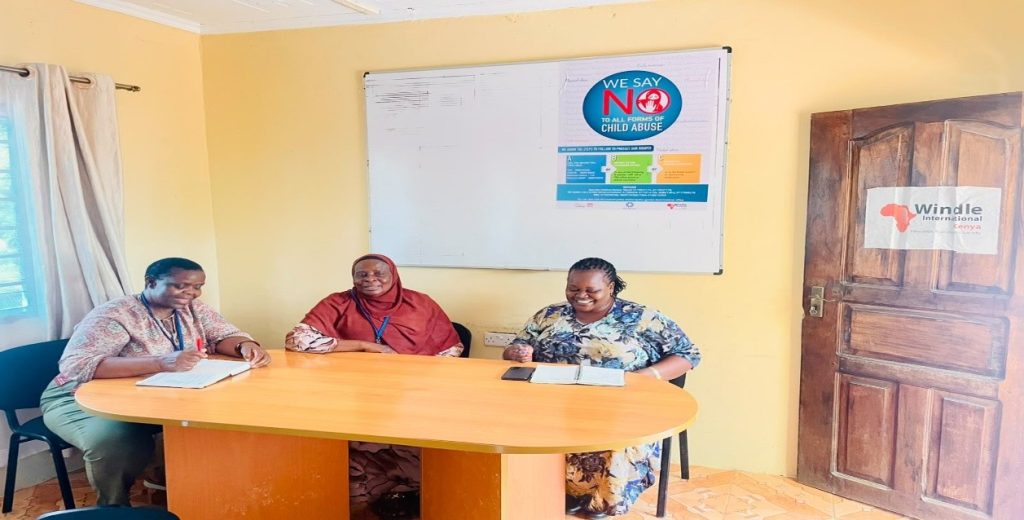
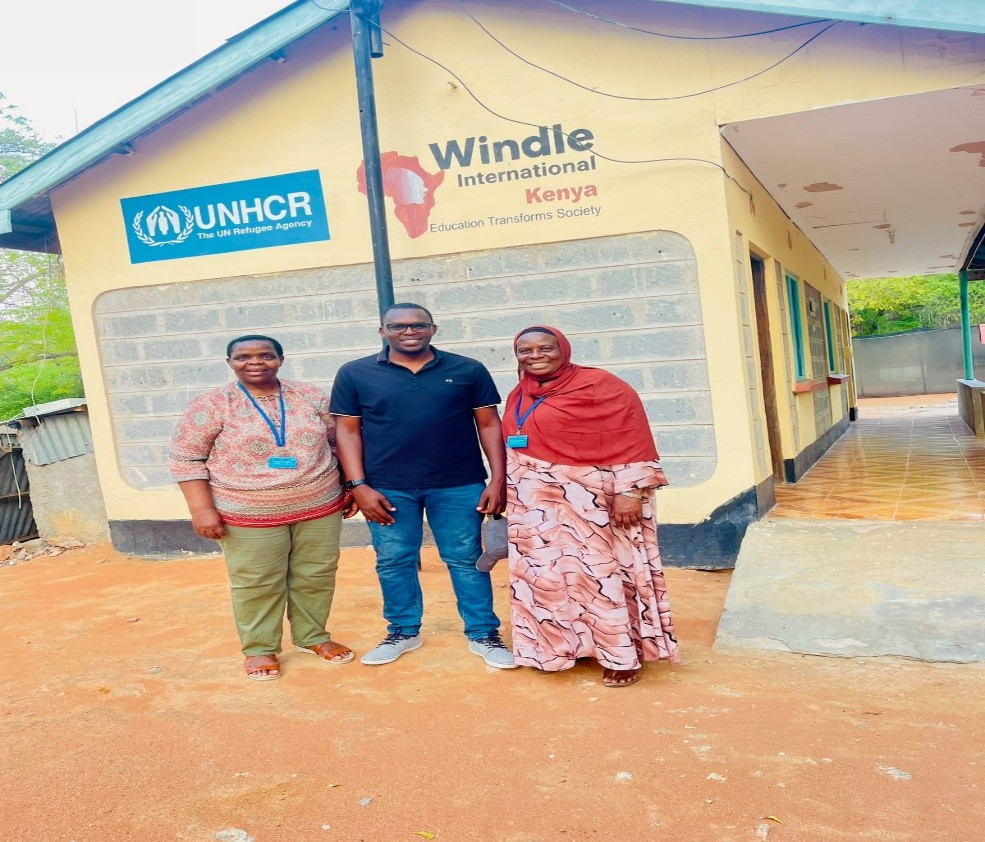
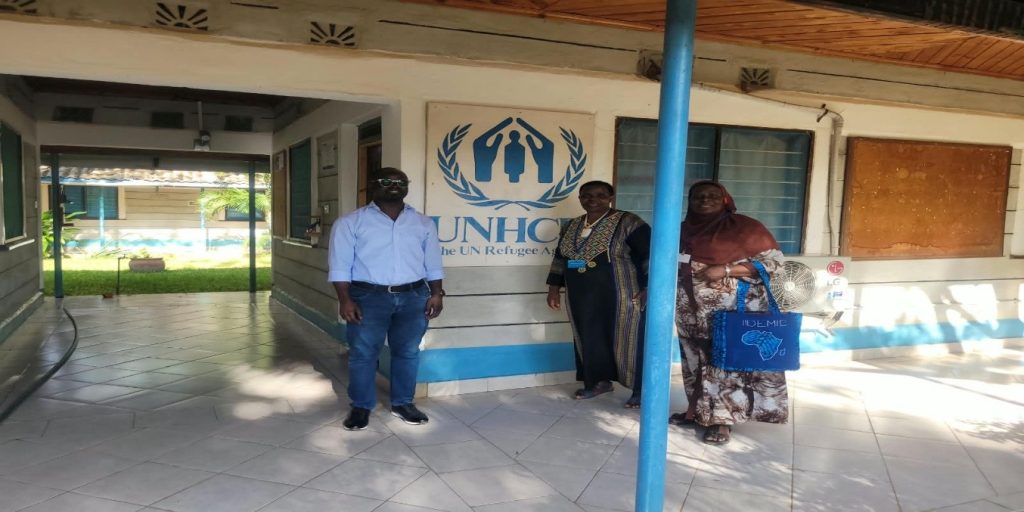
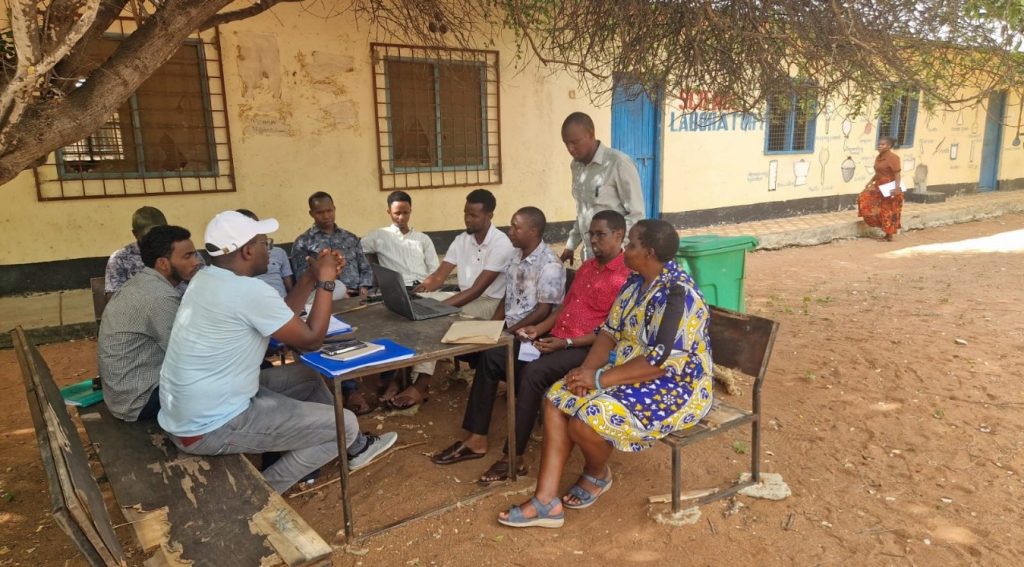
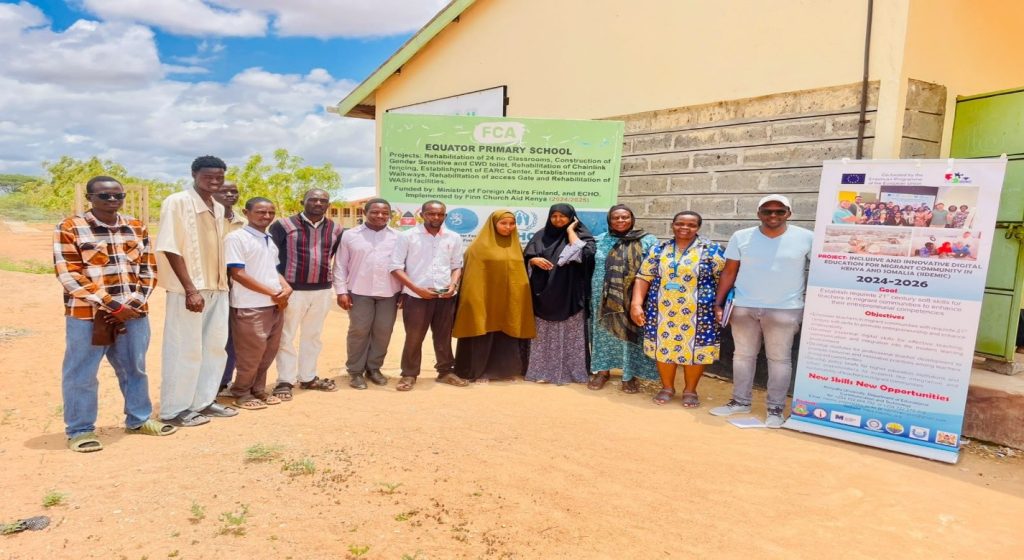
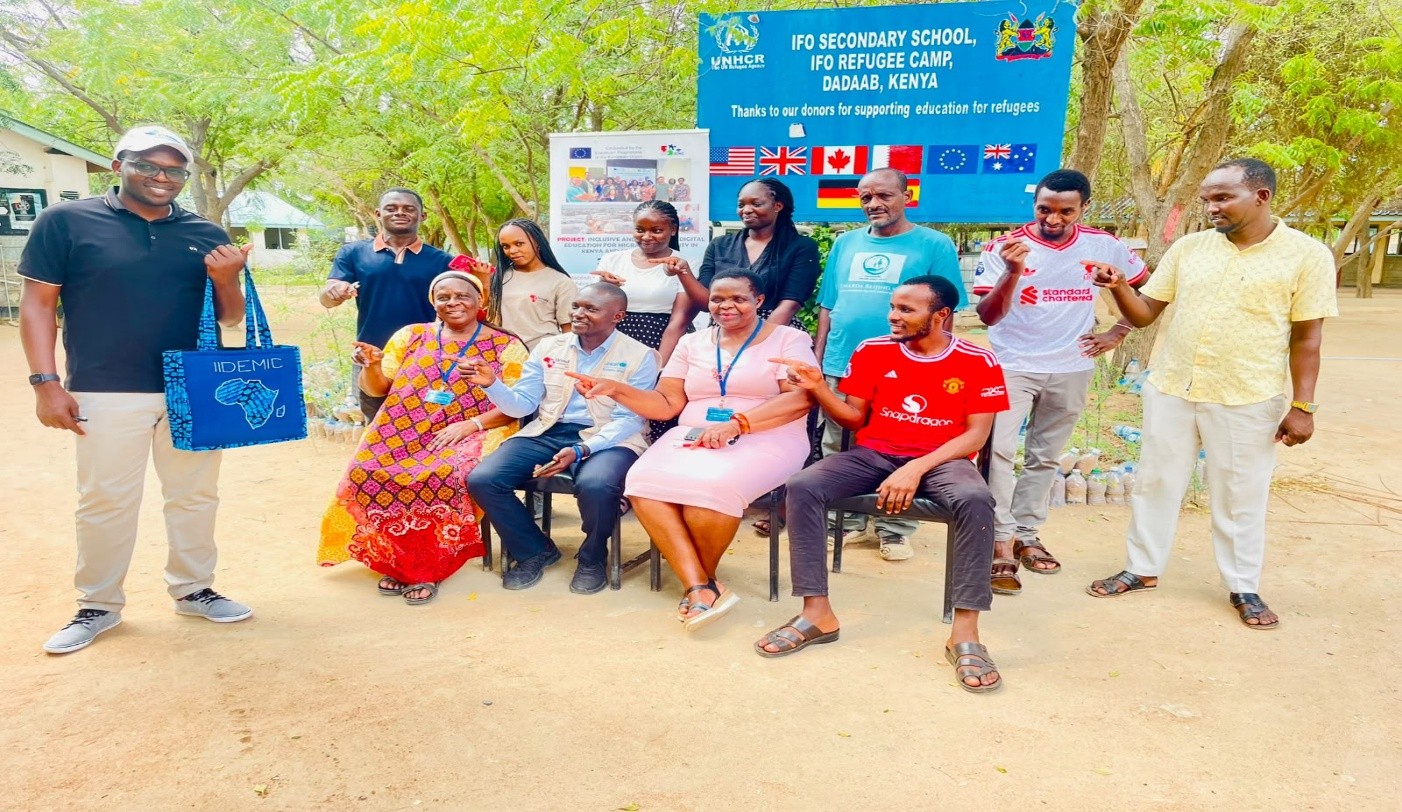
A research team from Kenyatta University (KU), led by Dr. Adelheid Bwire, Principal Investigator of the Inclusive and Innovative Digital Education for Migrant Community in Kenya and Somalia (IIDEMIC) project, and comprising Dr. Beatrice Bunyasi and Norman Kemboi, conducted a post-training classroom assessment and teacher support visit in Dadaab from 5 to 9 October 2026. The visit assessed how teachers were applying skills acquired through the project’s online Teacher Professional Development (TPD) courses.
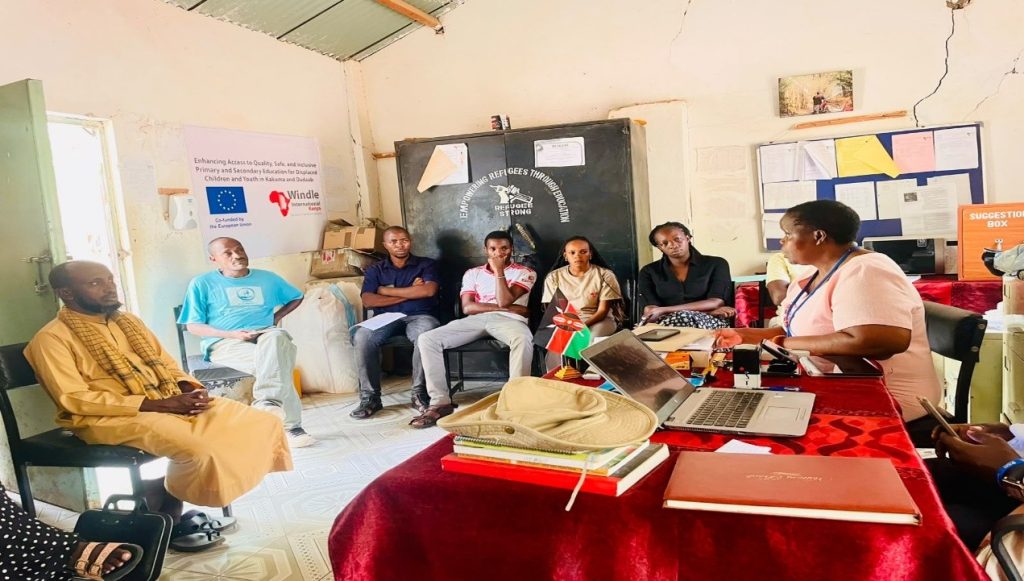
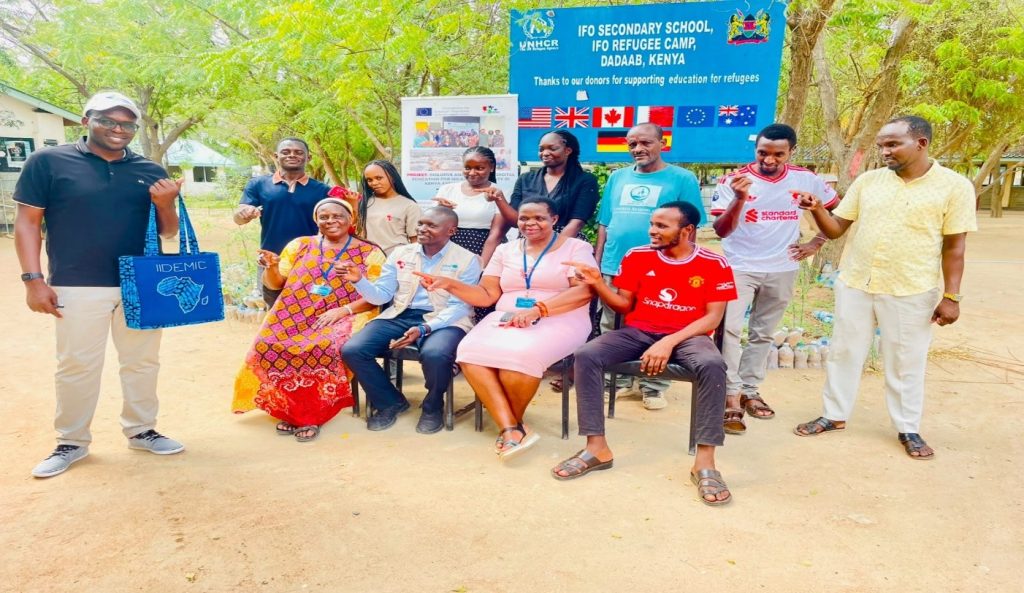
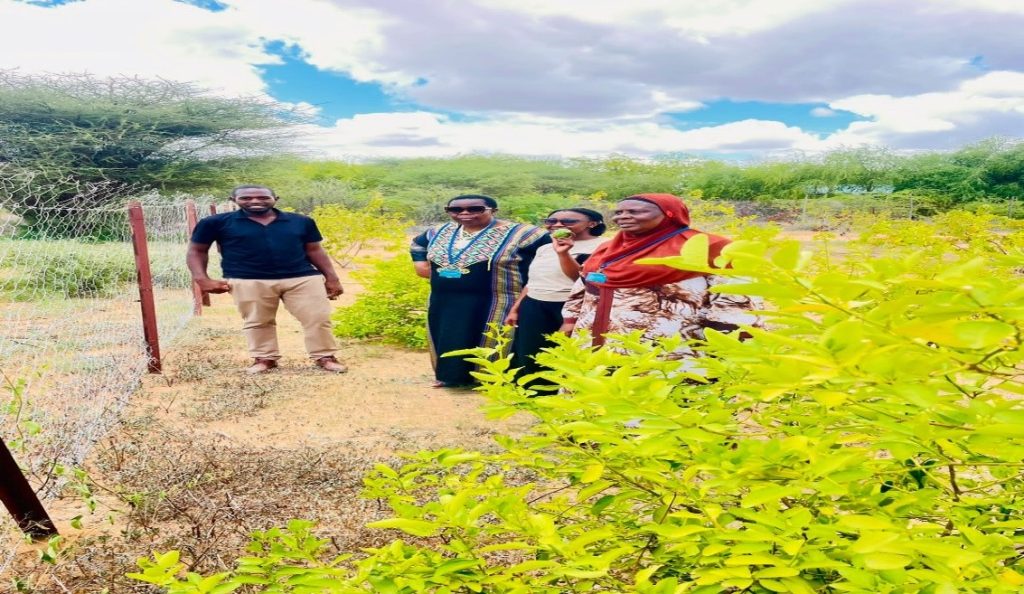
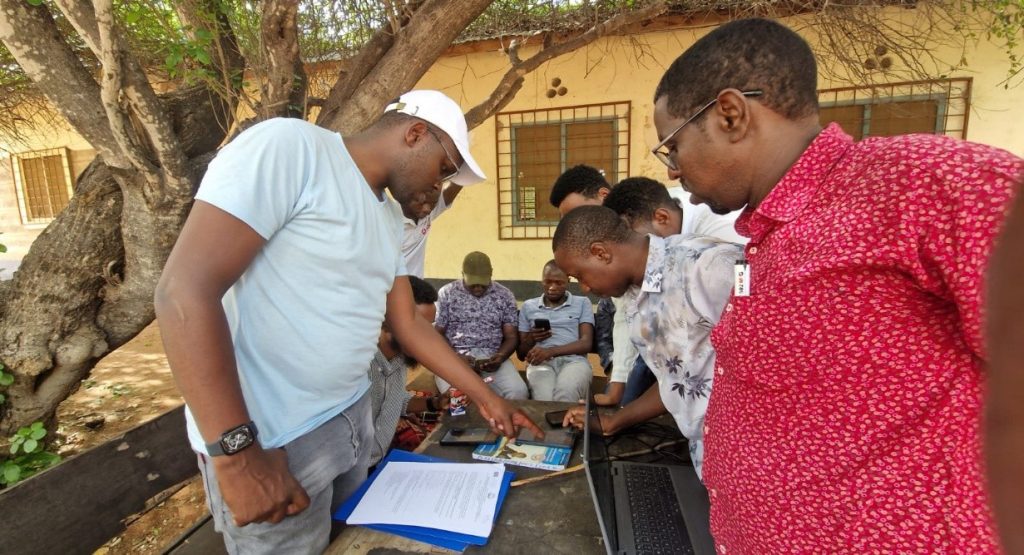
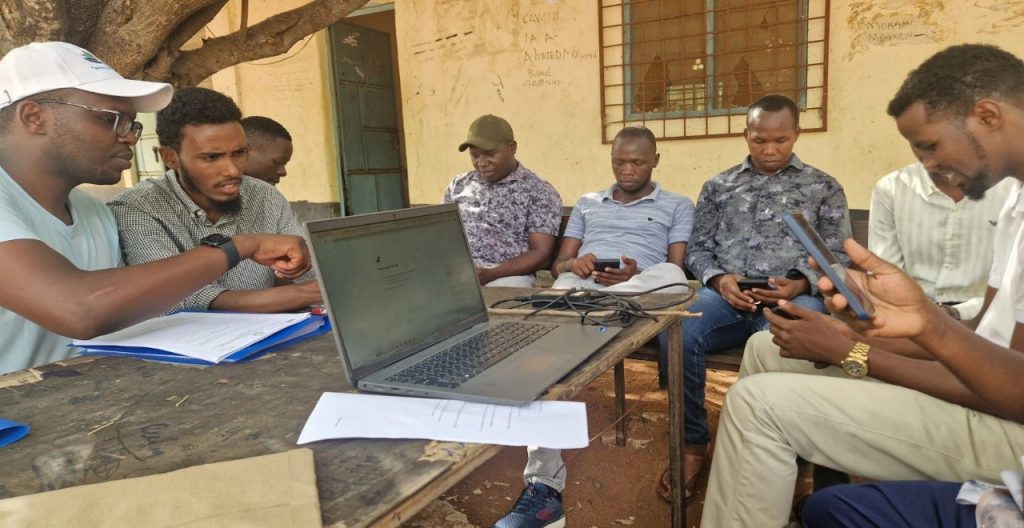
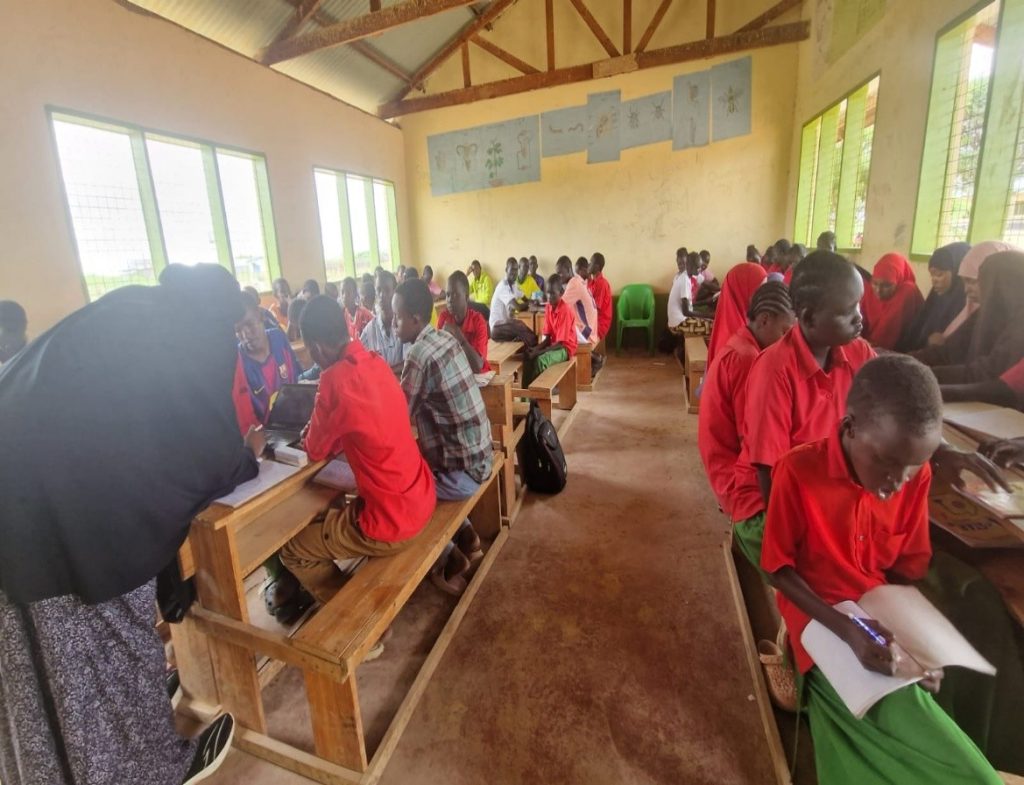
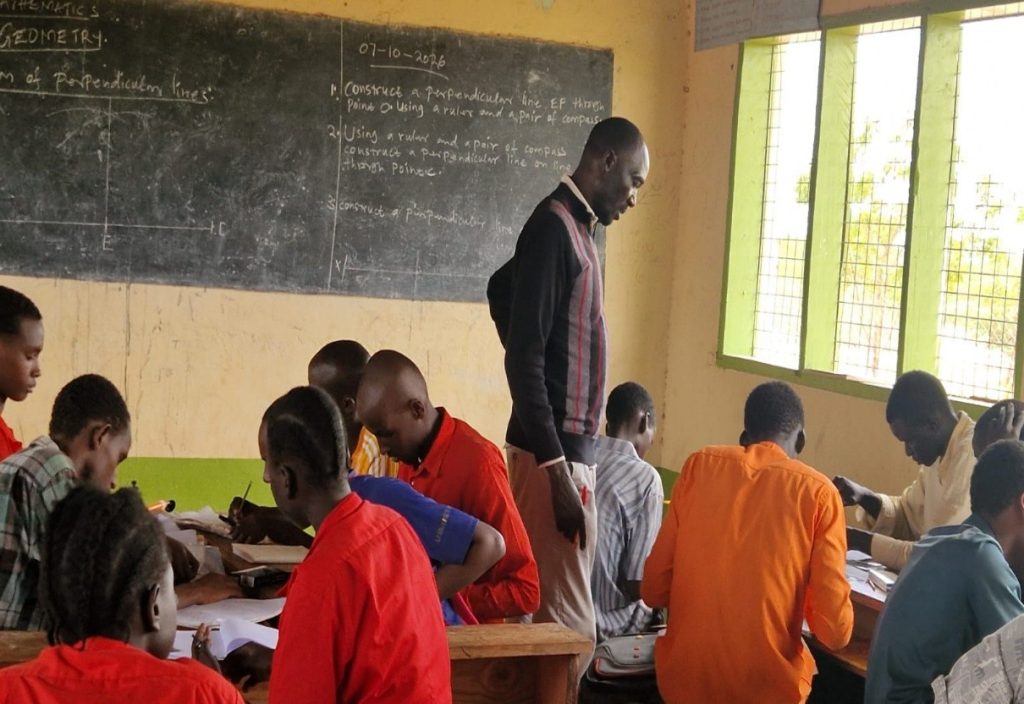
Working with education and humanitarian stakeholders, the team visited schools across the Dagahaley, Ifo 1 and Ifo 2 refugee camps and neighbouring host communities. The assessment involved classroom observations of 18 teachers in nine schools and interviews with 10 teachers, alongside discussions with school administrators and education partners on continuing professional development needs.
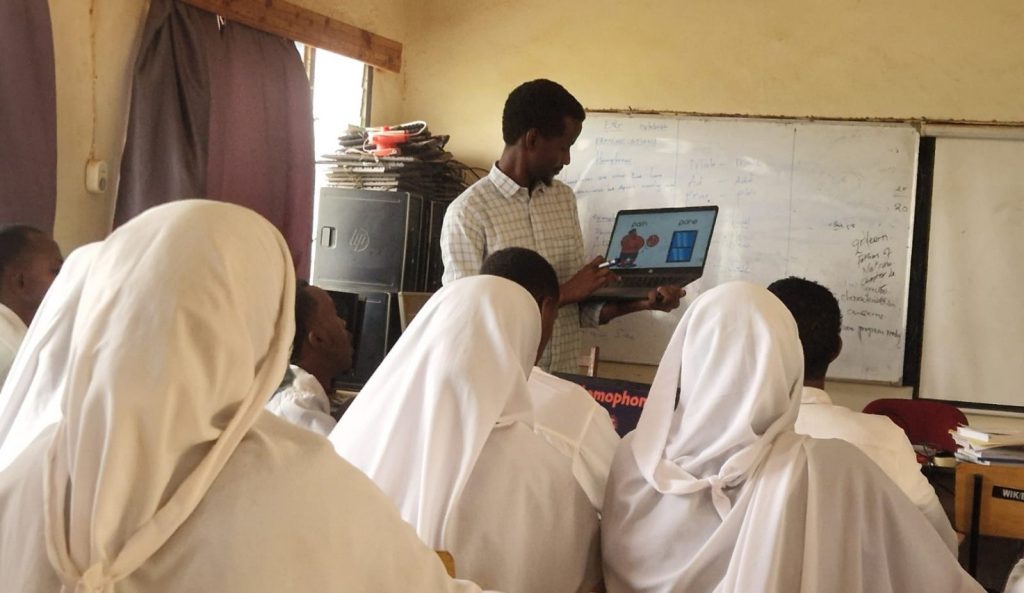
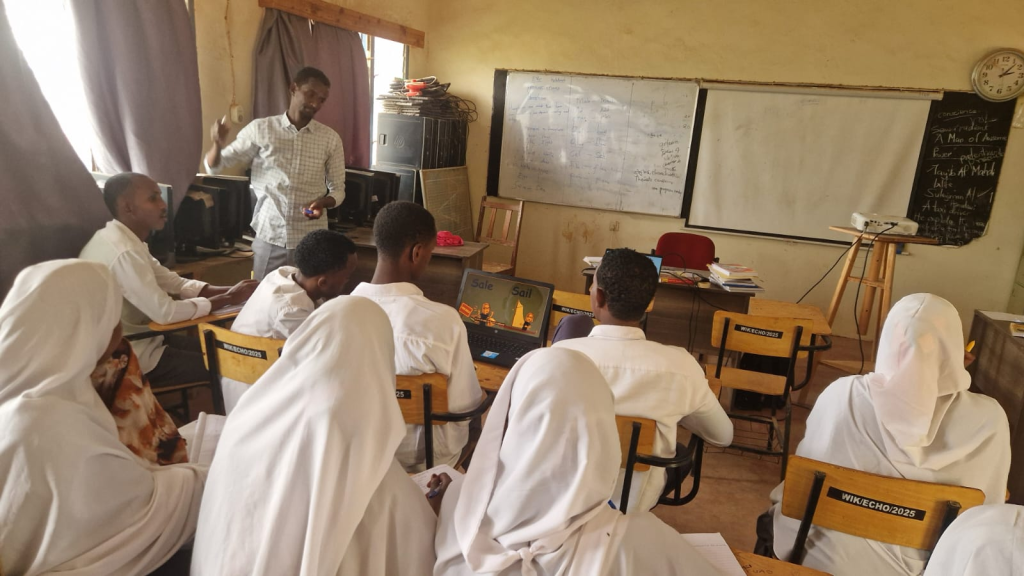
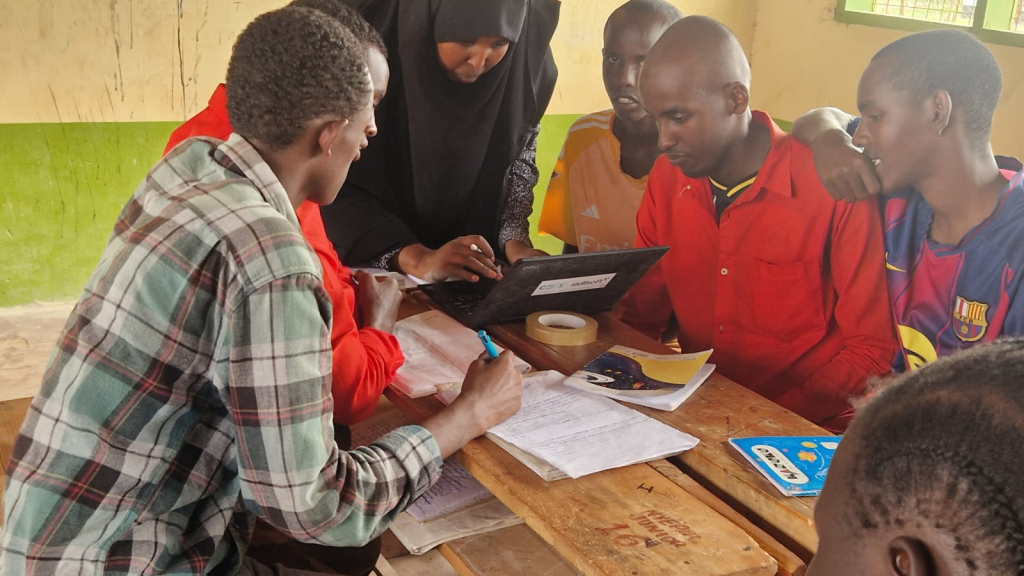
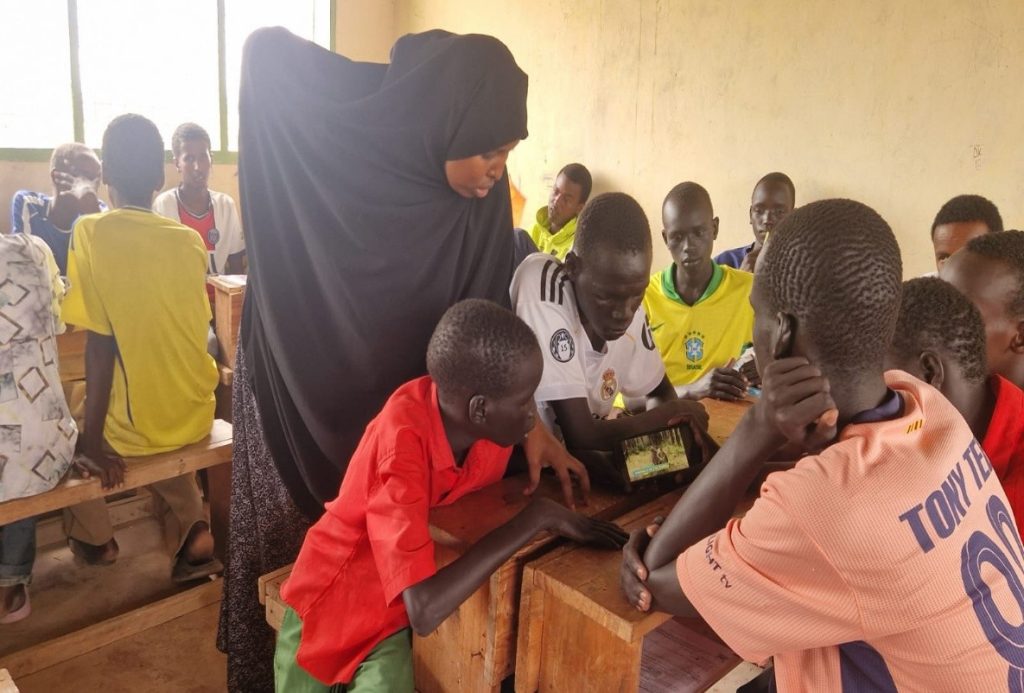
The observations revealed encouraging progress in the application of digital literacy and inclusive education practices. Teachers demonstrated how they were applying their training, using personal smartphones and tablets to illustrate concepts and enrich classroom explanations. Videos, pictures and other learning resources supported more engaging and accessible lessons. Teachers also used English, Kiswahili and Somali to accommodate learners’ diverse linguistic backgrounds. Observed efforts to support learners with disabilities and other special educational needs highlighted the importance of practical teacher training in promoting inclusive classroom environments.
However, the transfer and deployment of trained teachers to other schools presented challenges to continuity, underscoring the need for sustained professional development and institutional support.
IIDEMIC brings together higher education institutions and education and humanitarian stakeholders. Key Kenyan stakeholders involved in the wider education context include the Ministry of Education; the Ministry of Interior and National Administration, through the Department of Refugee Services; the Teachers Service Commission; the Commission for University Education; the Kenya Institute of Special Education; UNHCR; Windle International Trust; and the Lutheran World Federation.
Kenyatta University calls on government agencies, universities, development partners and humanitarian organisations to strengthen investment in teacher development, expand access to digital learning resources and sustain support for educators serving refugee and host communities. Integrating effective approaches into existing teacher development systems can help extend the project’s benefits beyond 2026.
Through IIDEMIC, Kenyatta University reaffirms its commitment to quality, inclusive education for all learners, regardless of displacement. Investing in teachers remains essential to advancing equitable educational opportunities.
About IIDEMIC
The Inclusive and Innovative Digital Education for Migrant Community in Kenya and Somalia (IIDEMIC) project is co-funded by the Erasmus+ Programme of the European Union.
Project Number: 101128908
Project Website: https://iidemic.org