
Empowering Displaced Voices: How Inclusive Digital Education is Redefining Opportunities in East Africa
The global displacement crisis has reached an unprecedented scale, with over 120 million people worldwide forced to flee their homes. Here in Kenya, we host two of the world’s largest refugee zones—the Kakuma Refugee Camp in Turkana County and the Dadaab Refugee Complex in Garissa County—which together shelter more than 200,000 refugees and asylum seekers. For these individuals, and for internally displaced persons (IDPs) across borders in regions like Bosaso and Mogadishu, Somalia, displacement often means a devastating halt to education.
The systemic disruptions to schooling, an almost complete absence of structured pathways to higher education, linguistic barriers, and severe digital exclusion create a cycle that locks displaced communities out of the modern economic landscape.
To dismantle these barriers, the Inclusive and Innovative Digital Education for Migrant Communities (IIDEMIC) project was born. Led by Kenyatta University and funded by the European Commission and the EACEA under the Erasmus+ Capacity Building in Higher Education (CBHE) Programme, this multinational consortium spans six institutions across Kenya, Somalia, Poland, and Turkey. Our core mission is simple yet transformative: to leverage technology to deliver inclusive, skills-oriented education that restores dignity, fosters self-reliance, and builds social cohesion.
Real Impact in Challenging Environments
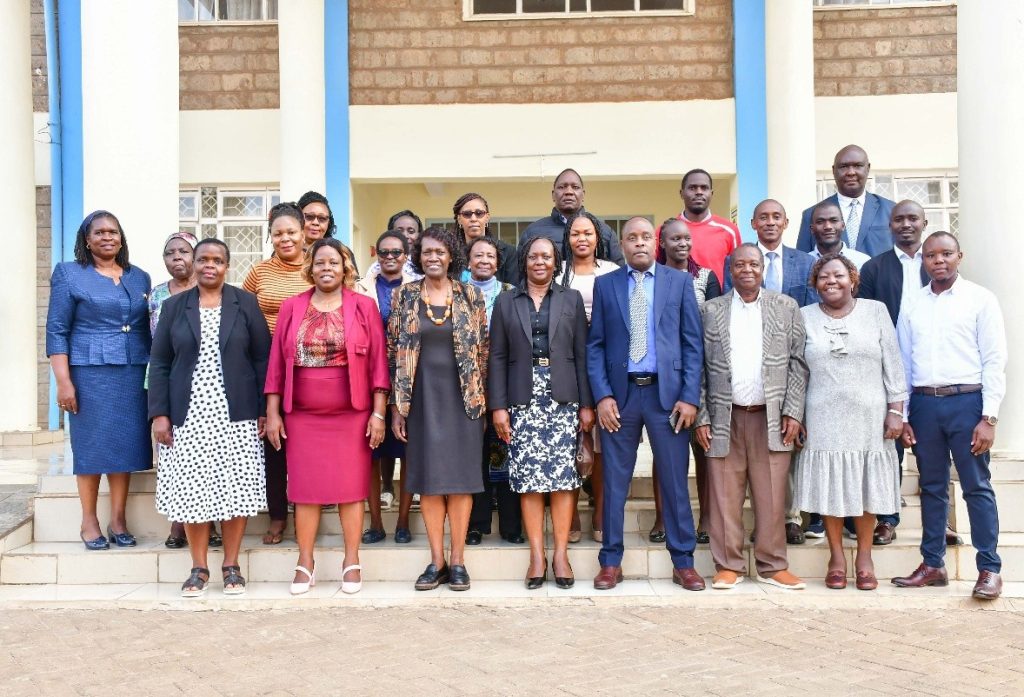
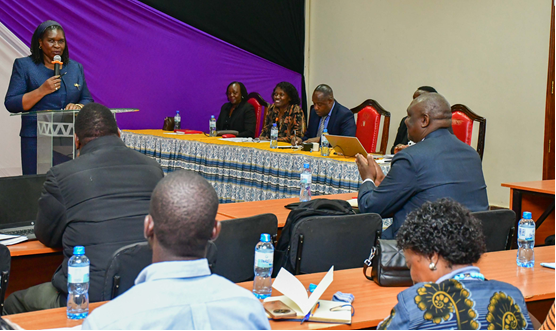
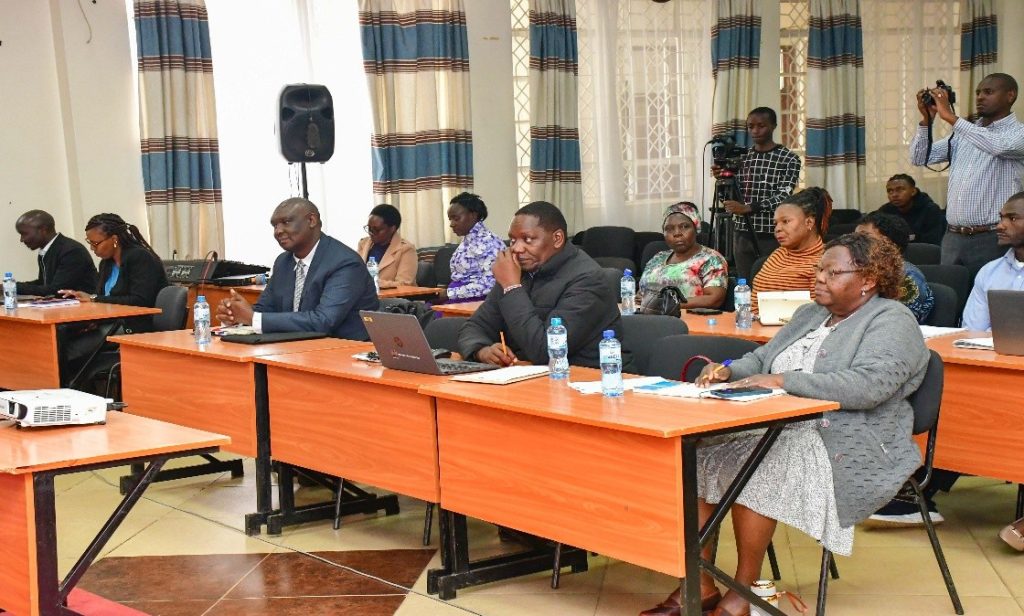
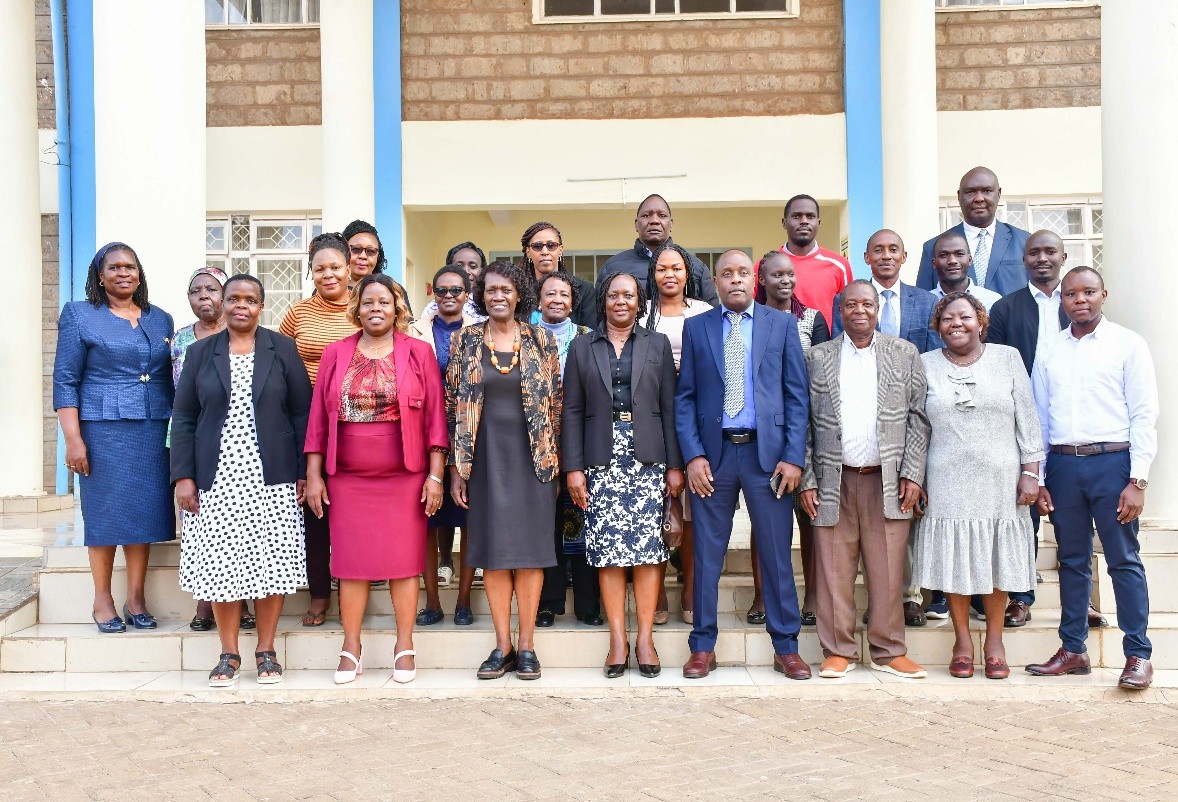
On June 18, 2026, the IIDEMIC Project Team gathered with university leadership and faculty at Kenyatta University for a dissemination seminar to share our preliminary findings and operational milestones. What the data reveals is a testament to what is possible when inclusive design is collaboratively embraced.
Despite operating in resource-constrained environments, the project has successfully reached:
- 900 total enrolled participants across all our implementation sites.
- 800+ learners actively engaged in ongoing courses.
- An incredible 54% course completion rate (for most of the 10 courses offered) on our custom Moodle Learning Management System (LMS)—a remarkable feat given the infrastructural hurdles.
We have fully developed and deployed a mobile-friendly, low-bandwidth optimized lifelong learning platform integrated with assistive technologies. Concurrently, our team has rolled out a comprehensive teacher training curriculum (of 10 21st Century courses), fundamentally shifting educator confidence in utilizing digital tools to support participants with diverse needs.
What We Have Learned: Key Insights from the Field
Our implementation journey across seven comprehensive work packages has yielded critical insights into how digital interventions must adapt to survive in displacement settings:
1. Mobile-First and Self-Paced Design is Non-Negotiable
Displaced learners deal with highly unpredictable schedules, constant mobility, and limited device sharing. Our findings show a resounding preference for mobile learning and short, skills-oriented courses. Designing for mobile environments from day one is what keeps these learners connected.
2. Localized Content Drives Success
Standardized, monocultural education fails in diverse settings. When content is co-designed with multi-country partners to reflect their unique cultures, lived realities, and languages, learner engagement and course completion rates rise.
The Road Ahead: Confronting Challenges and Scaling Up
While our initial successes are encouraging, our data has highlighted critical areas that demand immediate, intentional advocacy and action.
A stark gender disparity currently exists within our data, with female participation standing at only 12%. Moving forward, the IIDEMIC team is prioritizing targeted female outreach, working directly with refugee camp women’s organizations, and restructuring course schedules. Furthermore, persistent structural challenges like language barriers and local connectivity deficits mean we must continue refining offline-capable solutions.
To ensure the seeds sown by the IIDEMIC project grow into permanent structures, we are calling upon our academic and policy stakeholders to support our next strategic steps:
- Institutional Sustainability: Collaborating with ICT directorates to secure long-term, post-project hosting for the lifelong learning platform.
- Academic Institutionalization: Establishing accredited short certificate programmes through the School of Education and Lifelong Learning (SOE&LLL) and embedding service-learning into teaching practices.
- Policy Mainstreaming: Engaging the Ministry of Education and national policy bodies to scale this inclusive digital model at a national level.
Join Us
Education is a fundamental human right, not a luxury dictated by geographic or legal status. The IIDEMIC project proves that with collaborative, empathetic, and innovative digital frameworks, we can bridge the gap between displacement and opportunity.
We invite researchers, educators, policymakers, and community advocates to partner with us as we refine this model, expand our reach, and continue unlocking the immense, untapped potential of migrant and host communities in Eastern Africa.