The Role of 21st-Century Skills in Supporting Refugee Students
Abstract:
In today’s increasingly interconnected and dynamic world, the education of refugee students stands out as both a humanitarian responsibility and a concrete indicator of social solidarity. In this context, 21st century skills are considered an effective tool for refugee students to become stronger and develop resilience. Skills such as critical thinking, collaboration, communication, creativity and digital literacy contribute not only to academic success but also to students’ active participation in social life, development of belonging and self-confidence. Teachers’ integration of these skills into pedagogical approaches, creation of multilingual and intercultural learning environments and effective use of digital tools support individualized and inclusive education processes. Psychosocial support approaches based on social-emotional learning and collaborative project models accelerate students’ adaptation processes and facilitate their resilience in times of crisis. In order to increase the quality of refugee education, it is necessary to include 21st century skills in teacher training programs and to conduct simultaneous policy, resource and field development studies. Integrating these skills into education strategies with a holistic approach will contribute to the formation of a more inclusive and resilient education ecosystem by increasing the social cohesion and solidarity capacity of both refugee individuals and host societies.
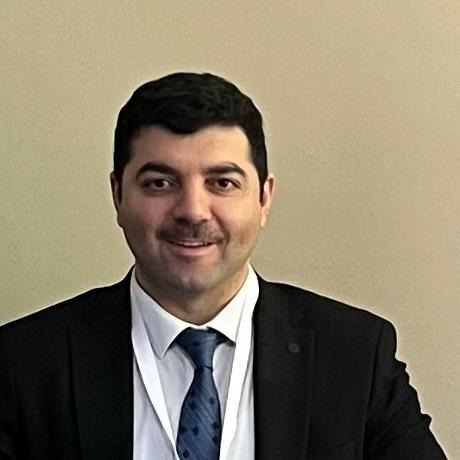
Asoc. Prof Dr. Bünyamin HAN
Kütahya Dumlupınar University, Education Faculty, bunyaminhan@gmail.com